
Anka BYNC1-M vs Remta R21: Footprint Showdown
We compare the Anka BYNC1-M and Remta R21 Deluxe tea makers based on spec sheet dimensions. This analysis helps you fit the right unit into tight commercial kitchen spaces without guessing.
The Anka BYNC1-M wins on footprint. At 220 mm wide, it fits where the 375 mm Remta R21 cannot. If your counter is under 375 mm, the Anka is your only option. The Remta offers more capacity but demands significantly more floor space and overhead clearance.
Products compared
Product A
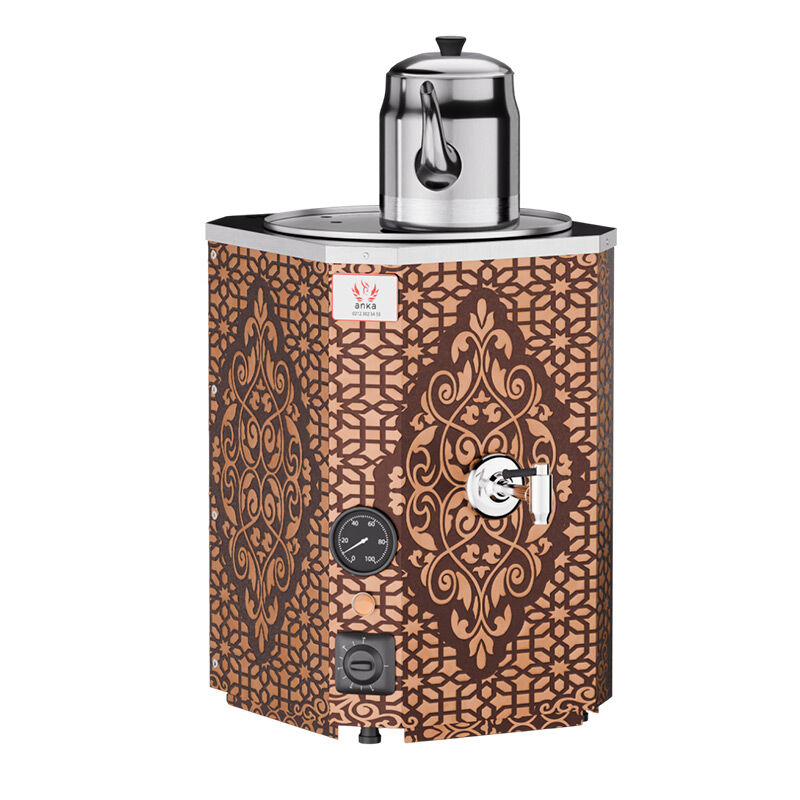
Anka BYNC1-M New Generation Mini Tea Maker, 1 Teapot, 5 L
The Anka BYNC1-M is a compact electric tea maker with a 5-liter capacity and one teapot. It features a stainless steel tank, temperature control, and energy-efficient design for small-scale tea service.
- Power Source
- Electric
- Voltage
- 220 V
- Power
- 1500 W
- Width
- 220 mm
Product B
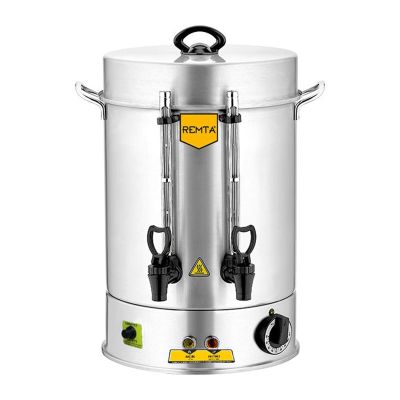
Remta R21 Deluxe Tea Maker, 9 L
The Remta R21 Deluxe Tea Maker provides 9 liters of tea capacity, ideal for medium-sized commercial operations. It features stainless steel construction and automatic temperature control.
- Power Source
- Electric
- Voltage
- 220 V
- Power
- 1400 W
- Width
- 375 mm
On this page
- The two machines
- What actually separates them
- The space math
- Utilities and installation
- What the spec sheet hides
- Doors, drawers and service access
- Which kitchen each one fits
- Where they differ
- Strengths and weak spots
- Which one for which kitchen?
- A cocktail bar
- A juice or smoothie counter
- A hotel minibar or room service
- Before you order
- Our call
- Questions we get asked
- Which tea maker is better for a small cafe?
- Does the Remta R21 require a drain?
- Can the Remta R21 fit under a standard shelf?
- Related comparisons
The two machines
| Product | Brand | Category | Key specs | |
|---|---|---|---|---|
| A | Anka BYNC1-M New Generation Mini Tea Maker, 1 Teapot, 5 L | Anka | Tea Machines | Power Source: Electric; Voltage: 220 V; Power: 1500 W |
| B | Remta R21 Deluxe Tea Maker, 9 L | Remta | Tea Machines | Power Source: Electric; Voltage: 220 V; Power: 1400 W |
What actually separates them
You should verify specific installation requirements with your dealer before purchasing.
Space is often the primary constraint in commercial kitchens. A machine that fits on paper might not fit through a door or under a shelf. We focus on the physical footprint and spatial requirements to help you avoid costly installation errors. This guide translates spec sheet numbers into real-world spatial decisions.
The space math
The Anka BYNC1-M occupies a mere 0.055 square meters of counter space. Its 220 mm width and 250 mm depth make it a compact solution for tight corners. In contrast, the Remta R21 Deluxe requires 0.111 square meters. This 375 mm width and 295 mm depth nearly doubles the floor space required.
Height is another critical factor. The Anka stands at 300 mm, allowing it to slide under most standard shelves. The Remta R21 reaches 440 mm, which may interfere with overhead storage or low-hanging hoods. You must measure your vertical clearance before assuming the taller unit will fit in your planned location.
Utilities and installation
Both units are countertop electric models requiring a 220 V power source. The Anka BYNC1-M draws 1500 W, while the Remta R21 Deluxe uses 1400 W. This 100 W difference is negligible for circuit planning. However, the Anka’s higher wattage means it may heat water slightly faster, impacting service speed during peak hours.
Neither machine requires a direct drain connection based on the available data. They are gravity-fed dispensers with internal boilers. You will need to ensure the countertop can support the weight. The Anka weighs 5 kg, whereas the Remta is lighter at 3.5 kg. Both are manageable for standard commercial countertops.
What the spec sheet hides
The Remta R21 Deluxe offers a 9-liter capacity compared to the Anka’s 5 liters. This extra volume supports higher demand but comes at the cost of size. The Anka’s compact 5-liter tank is ideal for low-volume settings. If you need to brew large batches frequently, the Remta’s capacity is a functional advantage despite its bulk.
Weight distribution affects stability. The Anka’s 5 kg mass provides a solid base, reducing vibration during operation. The Remta’s 3.5 kg weight is lighter, which might make it feel less stable on a busy counter. Neither machine lists noise levels, so you cannot assume either is quiet near the guest area.
Doors, drawers and service access
Clearance for cleaning is vital. The Anka’s low profile allows easy access to the area behind it. The Remta’s 440 mm height might block access to outlets or switches mounted on the wall behind it. You must ensure there is enough room to wipe down the counter behind the taller unit.
Moving these units requires consideration. The Anka’s 220 mm width fits through most standard kitchen doors. The Remta’s 375 mm width is wider and may require tilting or removing doors to move. Plan your logistics carefully if you need to relocate the Remta during a kitchen remodel.
Which kitchen each one fits
The Anka BYNC1-M is best for small cafes or tea houses with limited counter space. Its 5-liter capacity suits establishments with moderate tea demand. If you have a narrow bar or a small prep station, the Anka’s footprint is the deciding factor. It integrates seamlessly into tight layouts.
The Remta R21 Deluxe suits medium-sized restaurants with steady tea service needs. Its 9-liter capacity reduces the frequency of refilling. If you have a wide counter and ample overhead clearance, the Remta’s capacity justifies its larger size. It is better for high-volume, steady-state operations.
Where they differ
| Specification | A | B | What it changes in practice |
|---|---|---|---|
| Width | 220 mm | 375 mm | The Anka fits in narrow spaces where the Remta cannot. |
| Height | 300 mm | 440 mm | The Remta may not fit under low shelves or hoods. |
| Capacity | 5 L | 9 L | The Remta brews nearly double the tea per batch. |
| Power | 1500 W | 1400 W | The Anka has a slightly higher heating rate. |
Strengths and weak spots
| Strengths | Limitations | |
|---|---|---|
| A | - Compact 220 mm width fits tight counters. - Lower 300 mm height avoids overhead clearance issues. |
- Smaller 5-liter capacity requires more frequent refilling. - Skip it if you need to brew large batches for high-volume service. |
| B | - Larger 9-liter capacity supports higher demand. - Lighter 3.5 kg weight is easier to move short distances. |
- Wide 375 mm footprint requires significant counter space. - Skip it if your kitchen has low overhead clearance or narrow doorways. |
Which one for which kitchen?
A cocktail bar
In a busy cocktail bar, space is premium. The Anka BYNC1-M’s narrow 220 mm width allows it to fit alongside other equipment without blocking access. The Remta R21’s 375 mm width would consume valuable real estate. For a tea-focused station in a bar, the Anka is the practical choice.
Pick: Anka BYNC1-M New Generation Mini Tea Maker, 1 Teapot, 5 L
A juice or smoothie counter
Juice counters often have limited prep space. The Anka’s compact size allows it to be placed in a corner or under a shelf. The Remta’s 440 mm height might interfere with overhead storage. For a small juice bar with occasional tea service, the Anka’s footprint is superior.
Pick: Anka BYNC1-M New Generation Mini Tea Maker, 1 Teapot, 5 L
A hotel minibar or room service
Room service stations often have dedicated tea points. If the station is spacious, the Remta R21’s 9-liter capacity reduces refilling frequency. However, if space is tight, the Anka is better. For most hotel room service setups, space is limited, making the Anka the safer fit.
Pick: Anka BYNC1-M New Generation Mini Tea Maker, 1 Teapot, 5 L
Before you order
- Overhead clearance: Verify there is at least 440 mm of space above the Remta R21 to avoid hitting shelves or hoods.
- Doorway width: Ensure the 375 mm width of the Remta can pass through your kitchen doors or service corridors.
- Power circuit capacity: Confirm your 220 V circuit can handle the 1500 W load of the Anka BYNC1-M without tripping.
- Counter weight limit: Check that your countertop can support the 5 kg weight of the Anka, especially if it is a lightweight surface.
- Cleaning access: Ensure there is enough space behind the machine to clean the counter and prevent dust buildup.
Our call
The Anka BYNC1-M is the clear winner for space-constrained kitchens. Its 220 mm width and 300 mm height allow it to fit where the Remta R21 cannot. The Remta’s 9-liter capacity is useful, but its 375 mm width and 440 mm height make it a poor choice for tight spaces. Choose the Anka for flexibility and the Remta only if you have ample room and high volume needs.
Questions we get asked
Which tea maker is better for a small cafe?
The Anka BYNC1-M is better for small cafes due to its compact 220 mm width and 5-liter capacity, which fits tight spaces.
Does the Remta R21 require a drain?
The spec sheet does not state a drain requirement. It is a gravity-fed boiler system, so you likely only need a power outlet.
Can the Remta R21 fit under a standard shelf?
No, the Remta R21 is 440 mm tall, which may exceed the clearance of standard kitchen shelves or hoods.
Related comparisons
FindGastro Editorial · Commercial kitchen equipment editors
Author profile →